
Uncovering Banyuning Gardens: Exploring the Secret Coral Reefs and Wreck Heritage of Amed
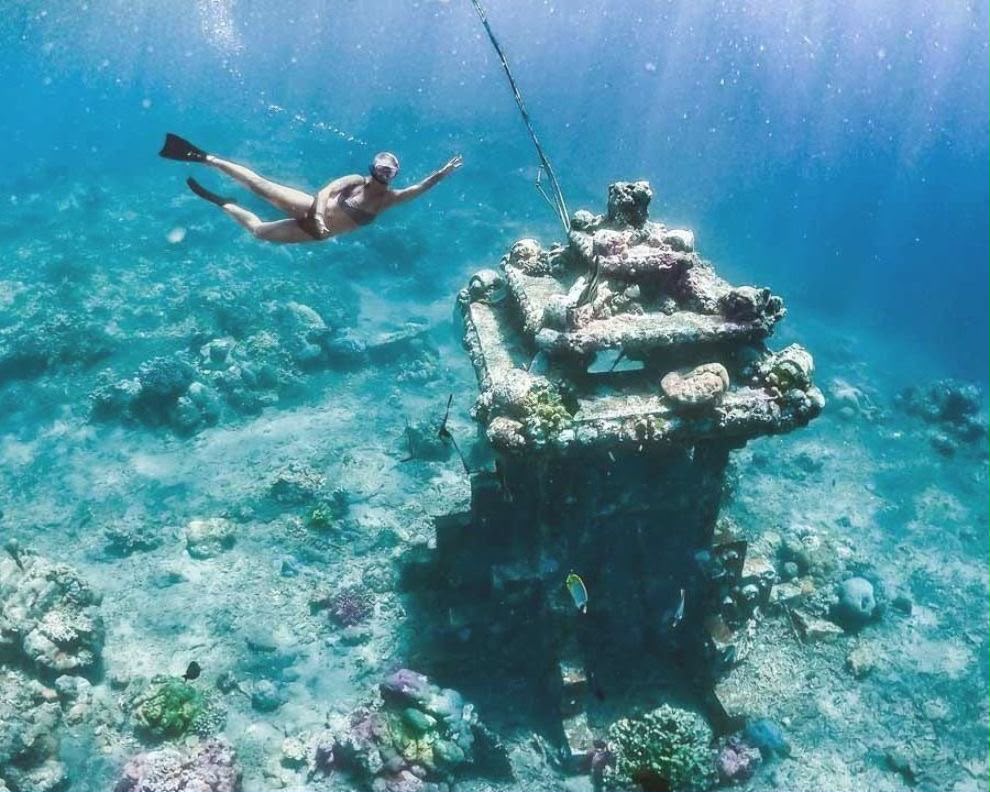
Uncovering Banyuning Gardens: Exploring the Secret Coral Reefs and Wreck Heritage of Amed When travelers think of snorkeling in Amed, East Bali, iconic names like Jemeluk Bay and Lipah Beach usually dominate the conversation. Yet, tucked away along the rugged coastline in the quiet village area of Banyuning lies one of the region’s most captivating […]
Embracing Underwater Silence: The Meditative Power of an Amed Snorkeling Trip
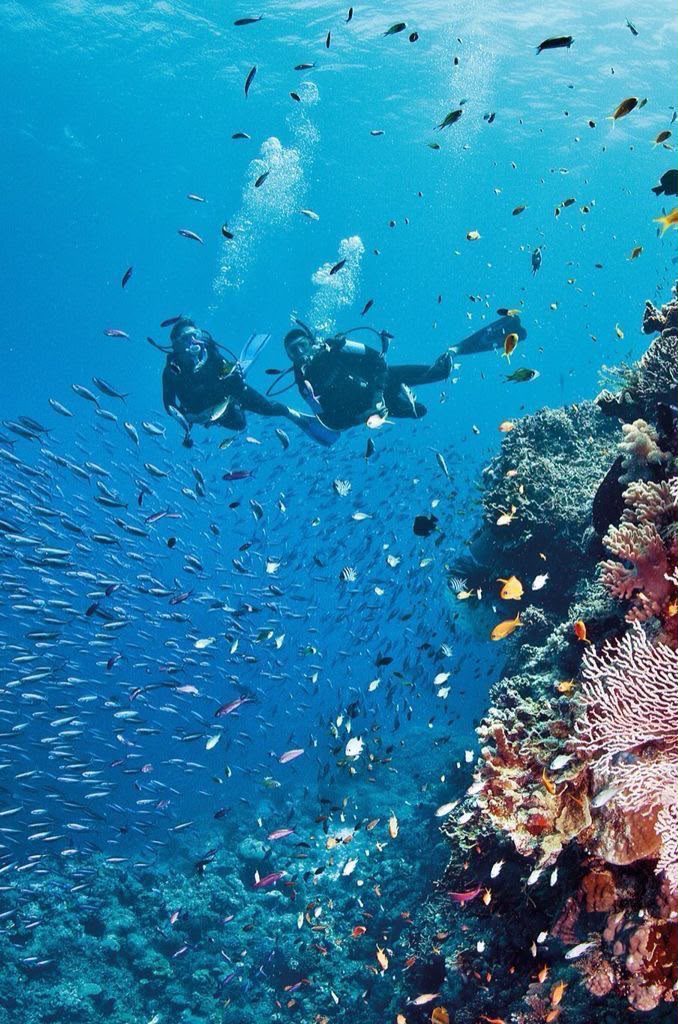
Embracing Underwater Silence: The Meditative Power of an Amed Snorkeling Trip In an era dominated by relentless ambient noise—the hum of traffic, the buzz of smartphone notifications, the constant clatter of keyboards, and the endless chatter of urban life—true silence has become an endangered luxury. Most modern vacations do little to alter this soundtrack, replacing […]
Tracking Ribbon-Tail Rays: A Snorkeler’s Guide to Finding and Understanding the Bluespotted Ribbontail Ray in Amed
Tracking Ribbon-Tail Rays: A Snorkeler’s Guide to Finding and Understanding the Bluespotted Ribbontail Ray in Amed When planning an underwater exploration along the dramatic volcanic coastline of East Bali, most snorkelers dream of gliding alongside sea turtles or peering into colorful coral heads. Yet, few encounters match the quiet thrill of spotting one of the […]
Beach Clean-Up Games: Turning Coastal Conservation into Family Fun on an Amed Snorkeling Trip
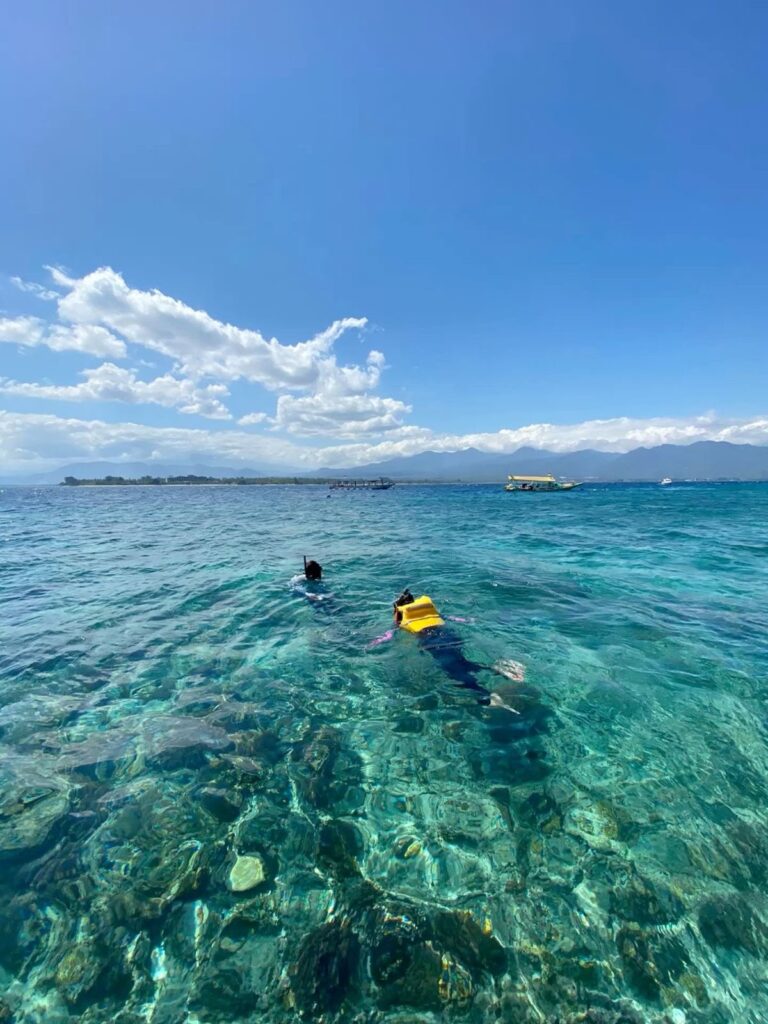
Beach Clean-Up Games: Turning Coastal Conservation into Family Fun on an Amed Snorkeling Trip When families plan an escape to the dramatic volcanic coastline of Amed, East Bali, their itineraries are naturally filled with visions of glassy morning water, vibrant coral gardens, and unforgettable snorkeling sessions at iconic locations like Jemeluk Bay, Lipah Beach, and […]
Teaching Kids About Coral Polyps: Turning an Amed Snorkeling Trip into a Living Marine Classroom
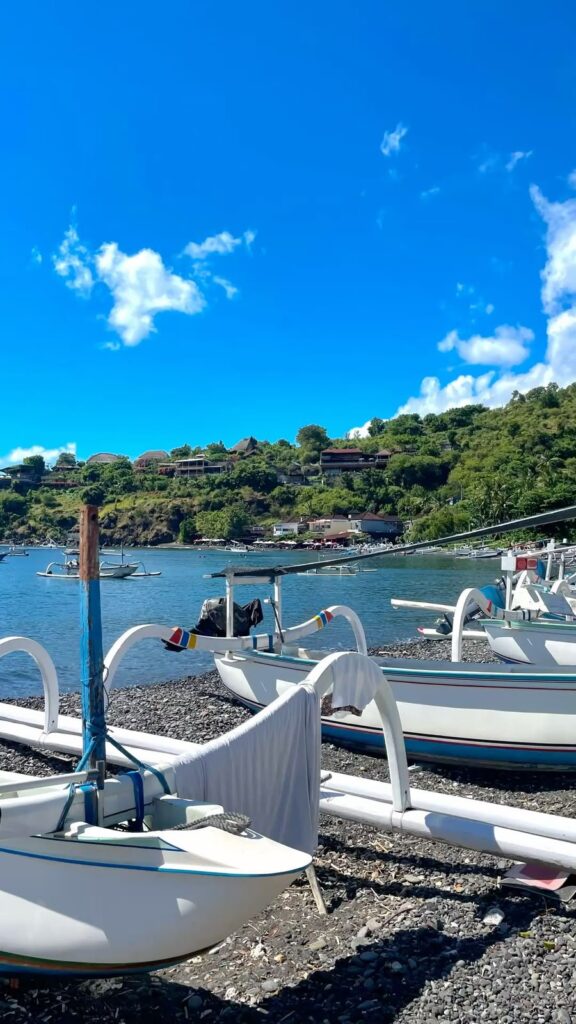
Teaching Kids About Coral Polyps: Turning an Amed Snorkeling Trip into a Living Marine Classroom When families pack their bags for a getaway to the dramatic volcanic coastline of Amed, East Bali, they are often drawn by the promise of crystalline water, black-sand beaches, and vibrant underwater worlds. Snorkeling sites like Jemeluk Bay, Lipah Beach, […]
Knowing Local Emergency Protocols: The Ultimate Safety and Medical Preparedness Guide for an Amed Snorkeling Trip
Knowing Local Emergency Protocols: The Ultimate Safety and Medical Preparedness Guide for an Amed Snorkeling Trip When travelers plan an escape to the dramatic volcanic coastline of Amed, East Bali, their minds naturally focus on the idyllic aspects of the adventure: gliding over the colorful coral gardens of Jemeluk Bay, exploring the historic wreckage of […]
Ensuring Fair Local Wages and Ethical Support on an Amed Snorkeling Trip
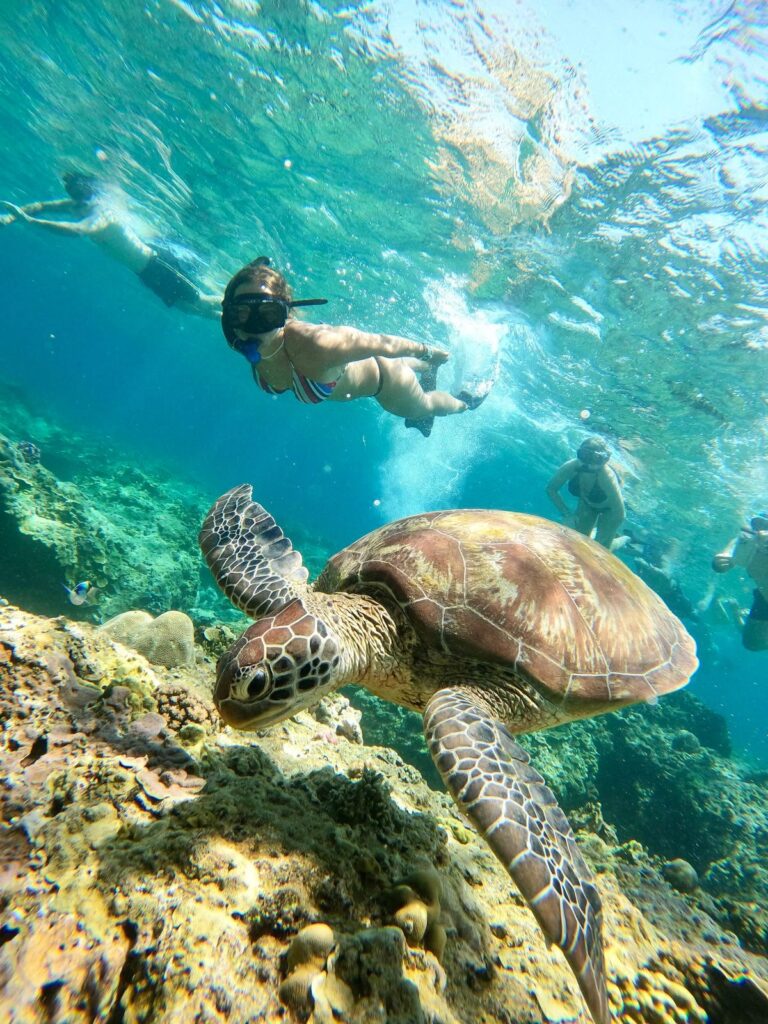
Ensuring Fair Local Wages and Ethical Support on an Amed Snorkeling Trip When travelers envision a getaway to the dramatic volcanic coastline of Amed, East Bali, their minds naturally focus on the stunning natural landscape: towering volcanic slopes, deep blue water, black-sand beaches, and vibrant coral gardens at Jemeluk Bay, Lipah Beach, and the Japanese […]
Selecting Reef Booties for an Amed Snorkeling Trip: The Definitive Footwear Guide When planning an underwater adventure along the dramatic, volcanic coastline of East Bali, most travelers obsess over selecting the right mask, snorkel, fins, and underwater camera gear. Yet, experienced visitors to Amed know that your underwater excursion actually begins the moment your bare feet touch the shoreline. Amed’s iconic landscape—defined by towering volcanic slopes, deep blue waters, and stunning coral bays like Jemeluk Bay, Lipah Beach, and the Japanese Shipwreck—presents unique topographical challenges that can quickly derail a holiday if your feet are unprepared. Unlike tropical destinations featuring powdery white quartz or soft coral sand, Amed’s shores are dominated by coarse black basaltic sand, sun-baked volcanic pebbles, jagged rock flats, and sharp coral rubble. Navigating this terrain requires dedicated footwear. Choosing the right reef booties is not merely a matter of comfort; it is a critical safety decision that protects you from thermal burns, sharp abrasions, sea urchin spines, and foot fatigue. This comprehensive guide explores why specialized footwear is essential in East Bali, examines the key design features to look for, compares various boot styles without relying on structured charts, and helps you select the perfect pair for your Amed snorkeling itinerary. — ### The Unique Topographical Realities of Amed’s Shorelines To understand why standard flip-flops or bare feet fail in Amed, one must examine the specific environmental factors that characterize the region’s coastline. * **The Volcanic Heat Trap:** Amed’s signature black sand and dark volcanic pebbles are rich in basaltic minerals. Unlike white sand—which reflects sunlight—dark volcanic materials absorb solar radiation rapidly. By mid-morning, the upper beach acts like a radiant heat emitter, with surface temperatures easily exceeding 50 degrees Celsius. Walking across this zone barefoot results in painful thermal blisters within seconds. * **Coarse Pebbles and Jagged Entry Corridors:** Entering the water at popular spots like Jemeluk Bay or the shores near the Japanese Shipwreck involves traversing a steep slope of shifting pebbles and coarse gravel. These loose stones shift awkwardly underfoot, making balance difficult and causing sharp abrasions to the tender arches of your feet. * **Submerged Marine Hazards:** Once you step into the shallows, the terrain transitions into weathered volcanic rock flats, weathered coral rubble, and patches of sea grass. This is also the native habitat of long-spined black sea urchins. Stepping accidentally on an urchin spine can ruin a vacation instantly. Sturdy reef booties act as an effective physical shield against these hidden underwater hazards. — ### Key Features to Evaluate When Selecting Reef Booties Not all water shoes are created equal. Generic slip-on aqua socks designed for swimming pools offer virtually no protection against sharp volcanic rocks or heavy fin straps. When shopping for Amed-ready reef booties, evaluate the following structural specifications: #### 1. Sole Thickness and Construction * **The Vulnerability of Thin Soles:** Cheap, flexible fabric water shoes with rubberized sock soles feel comfortable in a hotel pool, but they provide zero protection against sharp volcanic rock or sea urchin spines. * **The Ideal Profile:** Look for booties featuring a molded, vulcanized rubber sole at least 3 to 5 millimeters thick. A sturdy sole provides high puncture resistance, absorbs the impact of jagged pebbles during beach entries, and protects your feet when walking across hot sand. #### 2. Upper Material and Drainage * **Neoprene vs. Mesh Combinations:** Neoprene provides warmth, structural integrity, and a snug fit, while high-flow nylon mesh panels allow rapid water drainage and ventilation. A hybrid design—combining durable neoprene for ankle support with breathable mesh side panels—prevents your feet from becoming waterlogged and heavy. * **UV and Saltwater Durability:** Ensure the materials are treated or constructed to withstand corrosive saltwater and intense tropical UV exposure without degrading or shrinking prematurely. #### 3. Closure Systems for Secure Fit * **Avoiding Slippage:** When swimming with snorkeling fins, loose footwear will slide off your feet instantly against the water resistance of the fin pockets. * **Fastening Mechanisms:** Look for booties equipped with robust hook-and-loop strap closures, elastic drawstrings, or heavy-duty side zippers. A secure ankle closure ensures the bootie stays firmly locked to your foot while fin-kicking over deep coral drop-offs. #### 4. Seam Stitching and Toe/Heel Reinforcement * **Preventing Chafing:** Look for flatlock or glued-and-blindstitched seams that lie flat against the skin, preventing painful blisters during long walks along the beach. * **Structural Armor:** Reinforced rubber caps over the toes and around the heel counter protect your feet from stubbing against submerged rocks and prevent premature wear caused by friction against rigid full-foot or open-heel snorkel fins. — ### Comparing Bootie Styles for Your Travel Itinerary When preparing your luggage for Amed, you will generally choose between three distinct footwear configurations tailored to different activity levels and preferences: * **Low-Cut Reef Aqua Shoes:** These lightweight, flexible water shoes are best suited for casual walking, shallow wading, and warm-water beach exploration. They are easy to pack and versatile for land and water use. However, they offer minimal ankle support, and sand can enter easily through the low ankle opening. * **High-Top Neoprene Booties (3mm to 5mm):** Ideal for snorkeling with open-heel adjustable fins and navigating rocky volcanic entries, these booties extend above the ankle. They provide excellent joint stability, prevent pebbles from entering, and offer high thermal and puncture protection. On the downside, they are heavier, slower to dry, and bulkier in luggage. * **Hard-Sole Zippered Booties:** Perfect for extended coastal hiking, rugged entry points, and sensitive feet, these heavy-duty booties feature thick molded soles and side zippers. They offer maximum puncture resistance and make slipping them on and off effortless. However, they are less flexible for fin-pocket fitting and can feel stiffer while swimming. — ### Compatibility Check: Booties and Snorkeling Fins One of the most common gear mistakes snorkelers make is purchasing thick-soled reef booties without checking whether they fit into their snorkel fins. * **Open-Heel vs. Full-Foot Fins:** If you use traditional full-foot snorkeling fins (where your bare foot slides directly into a closed rubber pocket), thick-soled reef booties will simply not fit. To wear booties with fins, you must use **open-heel adjustable fins** equipped with adjustable silicone straps. * **Sizing Up Your Fins:** When purchasing open-heel fins to wear with your Amed reef booties, try them on together in a dive shop or order one size larger than your normal shoe size. The thick rubber sole and neoprene upper add considerable volume to your foot profile. Ensure the fin foot-pocket accommodates the bootie snugly without pinching your toes, which restricts blood circulation and causes painful cramping in the tropical water. — ### Care and Maintenance of Reef Booties in Amed Amed’s tropical humidity, saltwater, and abrasive volcanic sand can degrade gear rapidly if proper post-snorkel maintenance is ignored. Follow these simple care guidelines to keep your booties fresh and durable throughout your trip: 1. **Rinse Thoroughly in Fresh Water:** As soon as you return from the beach, soak and rinse your booties thoroughly in clean, fresh water. Pay special attention to scrubbing away fine black volcanic sand trapped inside the toe box and around zipper teeth or straps. 2. **Remove Salt Crystals:** Saltwater left to dry in neoprene fibers crystallizes, making the material stiff, abrasive, and prone to micro-cracking. Regular fresh-water rinsing preserves the elasticity and lifespan of the neoprene. 3. **Dry in the Shade:** Hang your booties upside down in a well-ventilated, shaded area to air dry completely between snorkeling sessions. **Never leave neoprene booties baking under direct, intense tropical sunlight** or inside a hot car trunk; ultraviolet radiation and extreme heat break down rubber adhesives and warp molded soles. — ### Conclusion Selecting the right reef booties for an Amed snorkeling trip is an essential step that elevates your entire travel experience. By replacing inadequate footwear with durable, puncture-resistant, high-traction booties featuring secure ankle closures, you eliminate the physical barriers that make exploring rugged volcanic shorelines uncomfortable. Whether you are navigating the scorching black-sand entries of Jemeluk Bay, swimming over shallow reef flats at Lipah Beach, or walking across rocky paths toward the Japanese Shipwreck, proper footwear keeps your feet safe, cool, and comfortable. Invest in a quality pair before you fly to East Bali, and step confidently into your underwater adventure knowing every stride along the volcanic coast is fully protected.
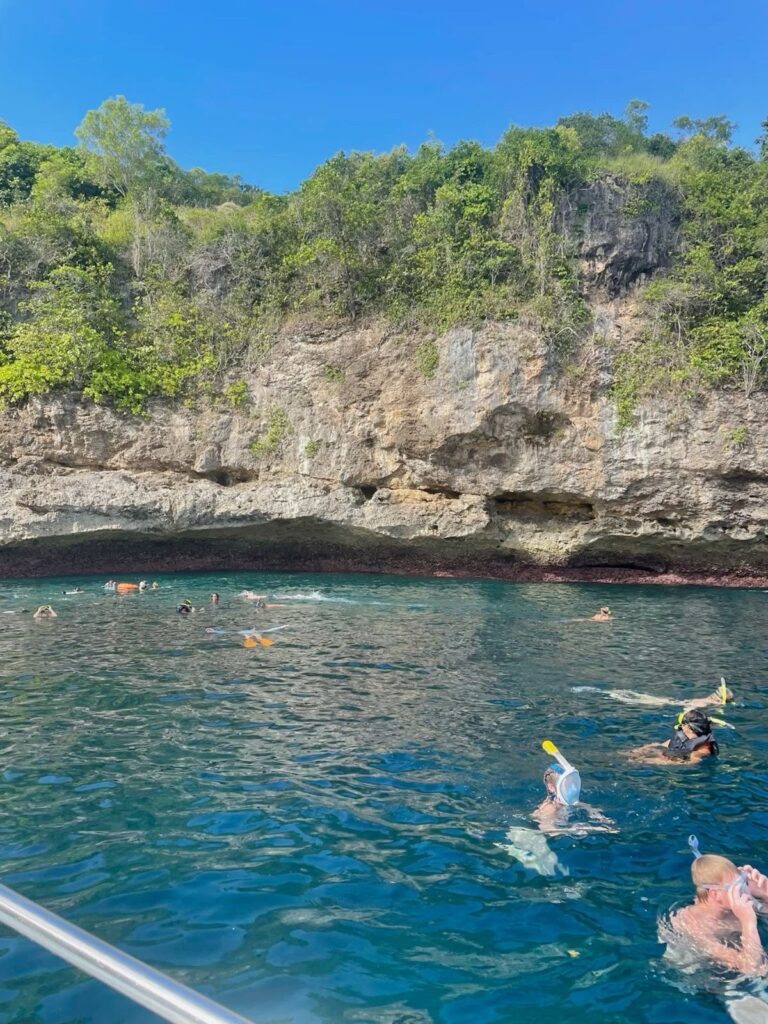
Selecting Reef Booties for an Amed Snorkeling Trip: The Definitive Footwear Guide When planning an underwater adventure along the dramatic, volcanic coastline of East Bali, most travelers obsess over selecting the right mask, snorkel, fins, and underwater camera gear. Yet, experienced visitors to Amed know that your underwater excursion actually begins the moment your bare […]
Managing Tropical Heat and Hydration: The Ultimate Guide for an Amed Snorkeling Trip
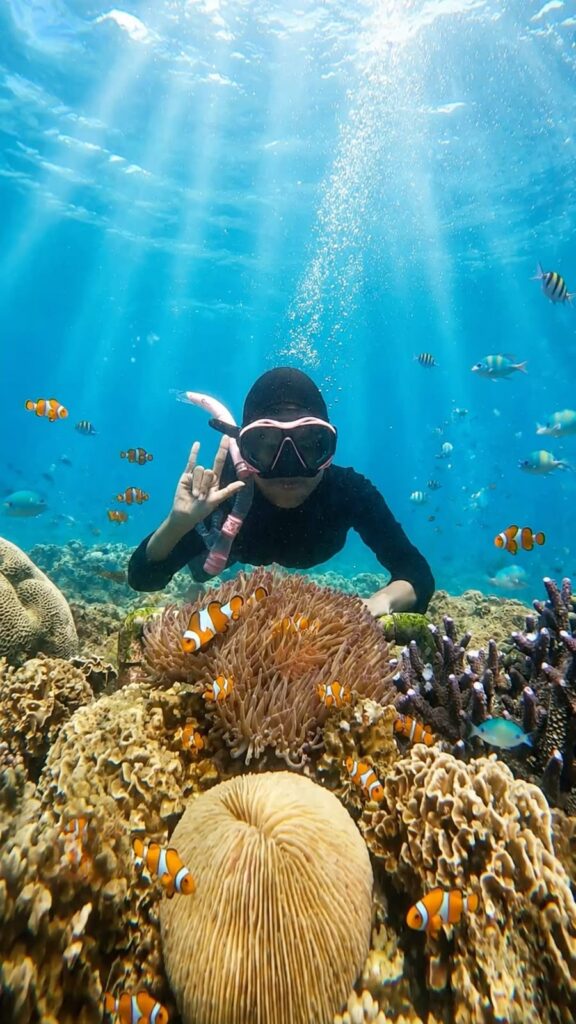
Managing Tropical Heat and Hydration: The Ultimate Guide for an Amed Snorkeling Trip When travelers picture an East Bali getaway, their minds naturally gravitate toward the visual splendor of Amed: towering volcanic peaks plunging into crystal-clear turquoise water, dramatic black-sand shorelines glistening under the sun, and vibrant coral gardens teeming with marine life just meters […]
Respecting Traditional Jukung Boats: Navigating Maritime Heritage on an Amed Snorkeling Trip
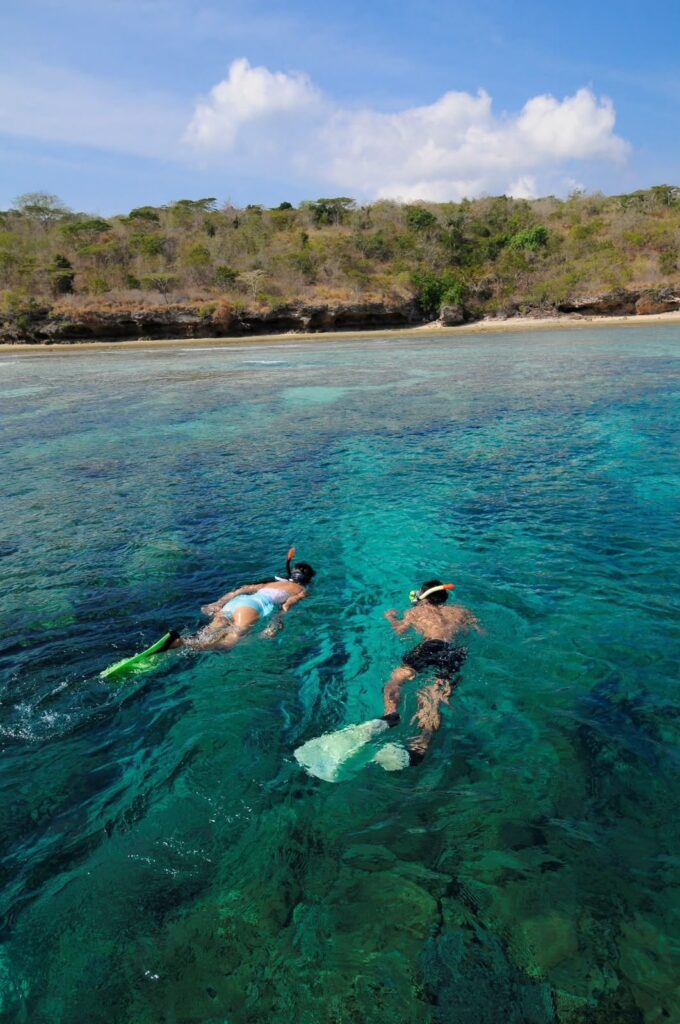
Respecting Traditional Jukung Boats: Navigating Maritime Heritage on an Amed Snorkeling Trip When travelers envision an East Bali snorkeling getaway, iconic images immediately come to mind: towering volcanic peaks plunging into deep blue water, pristine black-sand bays, and vibrant coral gardens teeming with marine life. Yet, no visual memory of Amed is complete without the […]
